









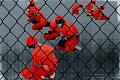


Interrogation Nation
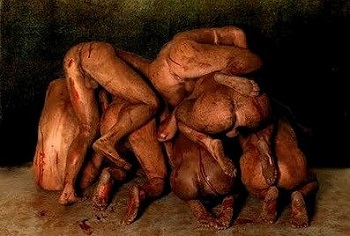
The baby steps that have taken the United States from decrying torture to celebrating it.
The old adage held that if they couldn't get you for the crime, they would get you for the coverup. But this week, it was revealed that both the crime and the coverup will go permanently unpunished. Which suggests that everything in between will go unpunished as well.
In an America in which the former president can boast on television that he approved the water-boarding of U.S. prisoners, it can hardly be a shock that following a lengthy investigation, no criminal charges will be filed against those who destroyed the evidence of CIA abuse of prisoners Abu Zubaydah and Abd al-Rahim al-Nashiri. We keep waiting breathlessly for someone, somewhere, to have a day of reckoning over the prisoners we tortured in the wake of 9/11, without recognizing that there is no bag man to be found and that therefore we are all the bag man.
President Barack Obama decided long ago that he would "turn the page" on prisoner abuse and other illegality connected to the Bush administration's war on terror. What he didn't seem to understand, what he still seems not to appreciate, is that what was on that page would bleed through onto the next page and the page after that. There's no getting past torture. There is only getting comfortable with it. The U.S. flirtation with torture is not locked in the past or in the black sites or prisons at which it occurred. Now more than ever, it's feted on network television and held in reserve for the next president who persuades himself that it's not illegal after all.