








Tears of Gaza -- Film Review
Kirk Honeycutt
The Hollywood Reporter
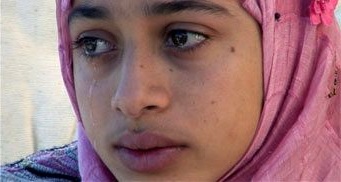
Bottom Line: A searing doc shows the appalling impact war has on the innocent. [Trailer HERE.]
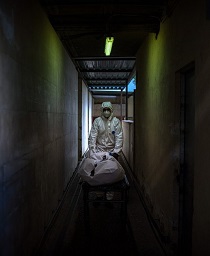
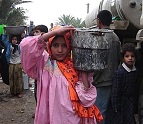
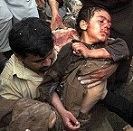
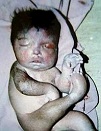
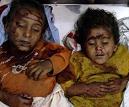
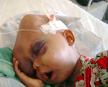
TORONTO -- Vibeke Løkkeberg's "Tears of Gaza" raises the question: Can any filmmaker do a film about the Israeli-Palestinian conflict without antagonizing someone? Løkkeberg's film deals with the 2008-09 bombing of Gaza by the Israeli military. Her strategy is to focus on the horrific impact this has on civilians -- mostly women and children; in other words, how war affects the innocent. Løkkeberg, a Norwegian actress, author and filmmaker, has scrubbed away all context, political or otherwise. This could be any war descended on an urban population.
Soldiers expect death and destruction; they've trained for it. Civilians don't know how to react to dead children and bombed homes. "Where can I get forgiveness from?" moans a man who has lost a child.
"Gaza" is gut-wrenching to watch -- perhaps the ultimate anti-war film -- but will the word "Gaza" in the title stop people? Films, whether docs or features, don't generally talk about war from this perspective. Now we have a film that does, but Middle Eastern politics might contaminate it. The Arab world might embrace the film, especially coming from a Westerner, and Israel and its supporters might shun it. So a compelling film about war will not be as widely seen as it should.
The film opens in November in Norway and could get playdates elsewhere in Europe, but in North America, it undoubtedly will play only festivals. The response at those festivals will be interesting to watch.