















Moment of reckoning
As direct Palestinian-Israeli talks begin, few are optimistic, but all know the outcome will be decisive
As US-brokered peace talks between Israel and the Palestinian Authority (PA) get underway in Washington, most observers are reluctant to give them the benefit of the doubt given a long legacy of failure after many years of direct and indirect talks between the two sides, especially since the conclusion of the Oslo Accords nearly two decades ago. And while both sides are saying that they are going to the talks "with an open mind", it is clear that there is a little change -- if any -- in the declared positions of Israel and the PA on the basic contentious issues.
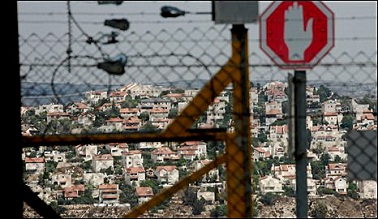
On the eve of the talks, Israeli Prime Minister Binyamin Netanyahu continued to make largely propagandistic statements, saying he wished Israel would have a peace partner like former Egyptian president Anwar El-Sadat. This statement ignores the clear fact that the intensive building of Jewish settlements all over the West Bank, not the absence of Sadat on the Arab side, has been the main obstacle impeding resolution of the Palestinian cause.
On the Arab side, Arab League Chief Amr Moussa has voiced his pessimism about the outcome of the talks. Moussa was quoted this week as saying that he had little hope that the talks would succeed due to Israel's adamant refusal to end the occupation that started in 1967 and put an end to Jewish settlement expansion in the West Bank, especially occupied East Jerusalem.